

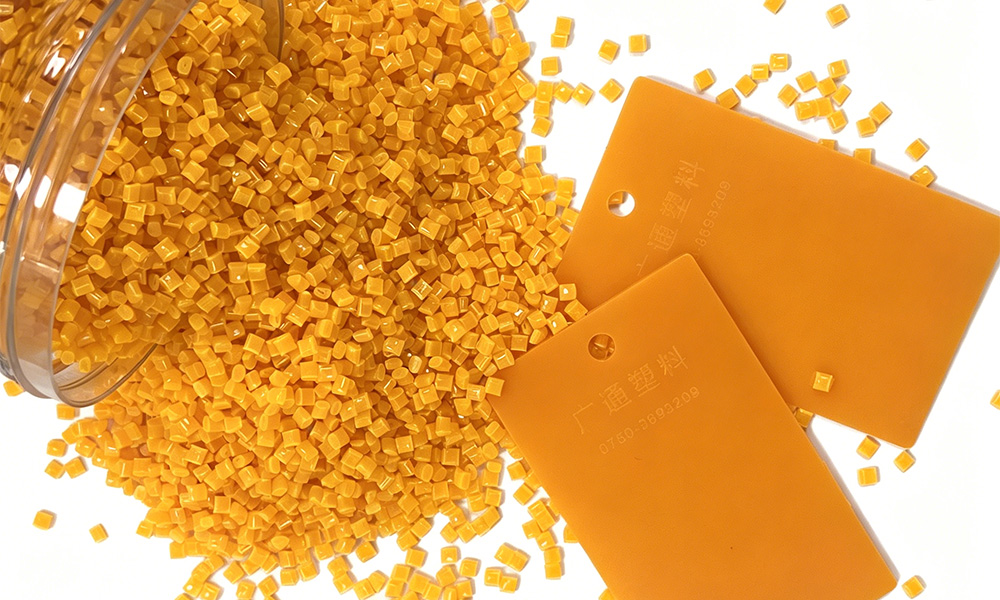
I. Basic Definition: What is Anti Blue Light, Eye-Protecting PC Material?
Specialized Anti Blue Light, eye-protecting PC material is a functional plastic created by modifying optical-grade polycarbonate (PC) resin with blue-light-absorbing additives. It precisely filters out harmful blue light emitted by electronic devices while retaining the core properties of PC—such as high impact resistance, high light transmission, and UV protection. It is currently one of the most widely used eye-protecting base materials for applications including eyeglass lenses, screen protectors, lighting diffusers, and protective viewing panels for children.
Principles of Blue Light Hazard (Core Basis for Protection)
The blue light emitted by everyday cell phones, computers, and LED lighting falls into two main wavelength bands:
1. Harmful short-wavelength blue light (415–455 nm): This light has strong penetrating power and can reach the macula at the back of the eye. Prolonged exposure can lead to eye strain, headaches, and insomnia, and may also damage the retina;
2. Beneficial long-wavelength blue light (455–500 nm): Responsible for regulating circadian rhythms and normal vision; it cannot be completely blocked, as doing so would cause images to appear discolored and dim.
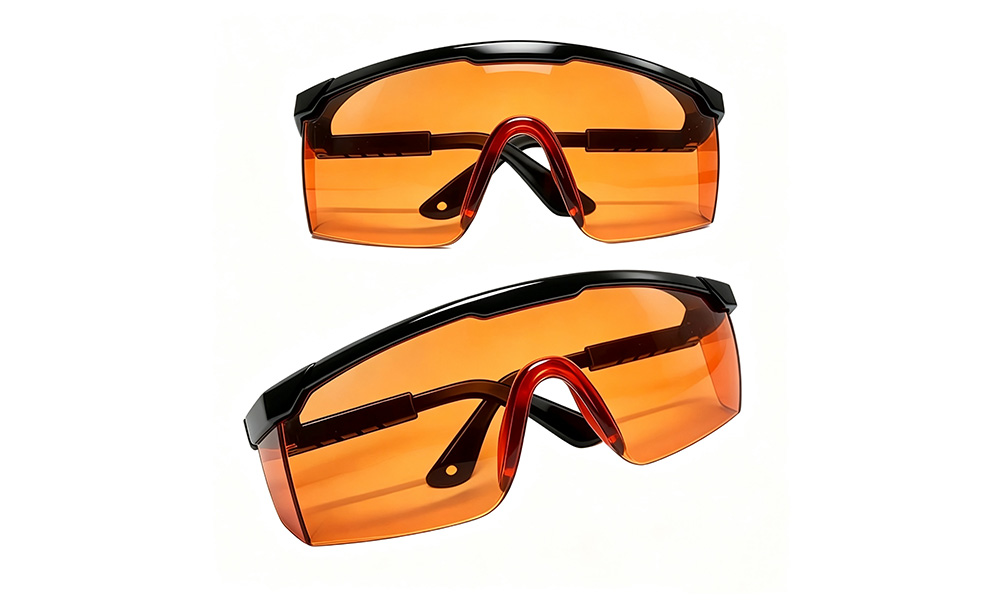
II. Anti-Blue Light Technology Approach
Blue-light-absorbing agents and nano-inorganic light-absorbing particles are incorporated during the PC pelletizing stage, ensuring the blue-light filtering function is intrinsic to the entire material. The advantages include:
- Permanent anti-blue light performance that does not degrade or lose protective capability due to wear;
- Capability for one-step injection molding of lenses and protective panels, eliminating the need for secondary coating and simplifying the production process;
- Stable blocking rates and consistent spectral filtering across the entire material.
III. Key Physical and Optical Performance Parameters (National Standard Level)
1. Basic Optical Performance (Strict Standards for Optical-Grade PC)
|
Item |
Technical Specifications |
Description |
|
Light Transmittance |
88%~90% |
Clear, unobstructed field of view |
|
Refractive Index |
1.591 |
Fixed refractive index; thinner and lighter than 1.50 resin lenses of the same prescription |
|
Birefringence |
Extremely low |
Distortion-free imaging with no edge ghosting; minimizes eye strain |
|
UV Protection |
100% UVA/UVB blocking |
PC material inherently blocks UV rays, protecting eyes from outdoor UV damage without additional treatment |
2. Key National Standard Parameters for Blue Light Protection (Based on GB/T 38120-2019)
- Target blocking range: Harmful blue light (415–445 nm) transmittance ≤80% (i.e., blocking rate ≥20%); professional eye-protection models offer a blocking rate of 30%–45%;
- Transmittance of beneficial visible light (>445 nm) >80%; strict control of color deviation to prevent yellowing or image distortion;
- Standard models: 20%–30% blue light blocking; digital/office models: 35%–45% blocking; sleep-aid models: 45%–55% blocking.
3. Mechanical Safety Performance (Key advantages of PC over resin/glass)
- Impact strength: Over 10 times that of standard resin lenses and 250 times that of standard glass lenses; resistant to shattering from high-speed impacts (often referred to as "bulletproof-grade lens material");
- Low density: 37% lighter than resin and 50% lighter than glass; causes no significant pressure on the bridge of the nose during prolonged wear; suitable for children and individuals with high myopia;
- Heat deflection temperature: 130–138°C; resistant to heat-induced deformation from daily sun exposure;
- Low molding shrinkage: Ensures precise dimensions during injection/extrusion molding and high consistency in mass production.
4. Weather Resistance and Environmental Properties
- Yellowing resistance: High-quality modified blue-light-blocking PC incorporates an antioxidant system, preventing overall yellowing or clouding during long-term use;
- Recyclable and re-processable: An eco-friendly thermoplastic material compliant with RoHS and FDA contact safety standards.
IV. Comparison of Mainstream Lens Materials: PC vs. Standard Resin vs. Glass vs. Ultra-Tough Resin
1. Comparison with Standard Resin
PC is lighter, impact-resistant, and offers inherent, full UV protection; standard resin requires special coatings to block UV and blue light and has poor impact resistance, posing a risk of breakage and eye injury for children.
2. Comparison with Glass Lenses
Glass offers slightly higher light transmission but is extremely heavy and prone to shattering, presenting significant safety risks; PC balances lightness and safety, making it the preferred material for eyewear for young people.
3. Comparison with Ultra-Tough Resin
High-end resins offer superior color accuracy but come at a high price and have lower impact resistance than PC; blue-light-blocking PC offers excellent value for money and provides irreplaceable protective advantages.
V. Comprehensive Coverage of Mainstream Application Scenarios
1. Eyewear Optics (Core Application)
- Myopia control lenses for youth: Shatter-resistant and blue-light blocking for dual eye protection; prevents eye injuries caused by lens breakage during rough play.
- Protective eyewear for office workers and ultra-thin lenses for high myopia: High refractive index allows for lightweight lenses despite high prescriptions; alleviates eye fatigue from prolonged screen time.
- Sports eyewear and sunglasses: Triple protection against impact, UV rays, and blue light.
2. Eye-Protection Accessories for Electronic Screens
- Blue-light blocking panels for monitors and protective covers for mobile phone lenses: Made from integrally molded base materials to block direct blue light from screens; can be cut to fit devices of various sizes.
3. Soft-Light Eye-Protection Sheets for Lighting Systems
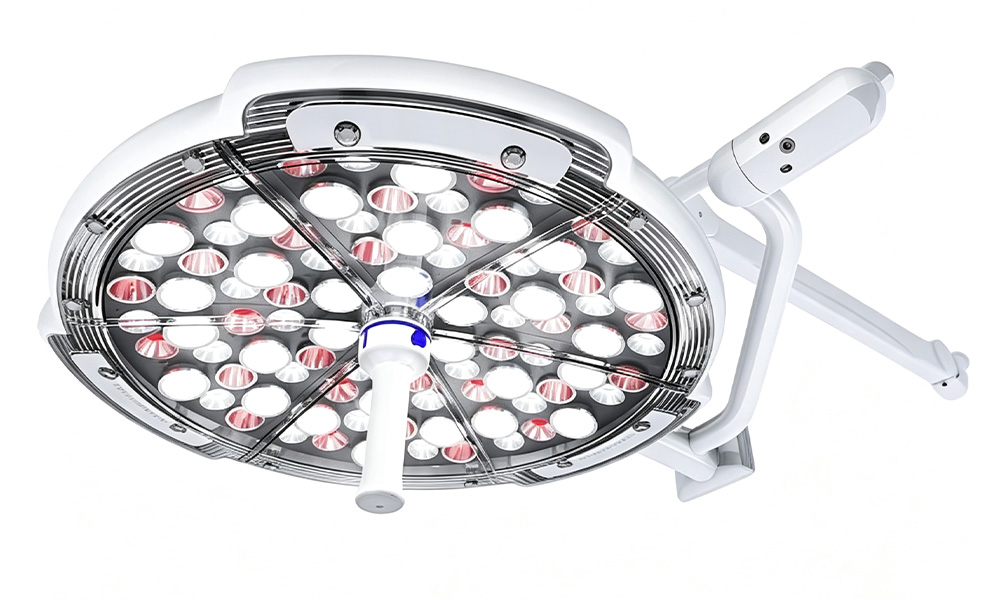
- Diffuser panels for classroom eye-protection lights, panel lights, and ceiling lights: Uses extruded blue-light-blocking PC sheets to filter out direct short-wave blue light; produces soft, non-glaring light suitable for prolonged use in schools and study rooms.
4. Other Eye-Protection and Safety Products
- Viewing windows for medical X-ray viewers, VR headset lenses, anti-glare covers for automotive dashboards, and protective windows for industrial control consoles: Provides long-lasting eye protection in environments with intense light or electronic radiation.
Conclusion
Anti blue light PC materials for eye protection are not merely functional plastics that "filter light"; rather, they are composite materials that integrate precise optical control, physical safety protection, and long-term environmental stability. Leveraging the inherent toughness and optical properties of polycarbonate—combined with blue-light-modifying technology—these materials address the widespread issue of digital eye strain while overcoming the limitations of traditional lens materials, such as fragility, heaviness, and limited protective capabilities. Consequently, they serve as a core material solution for lightweight eye protection across consumer eye-care, industrial viewing windows, and educational lighting applications.