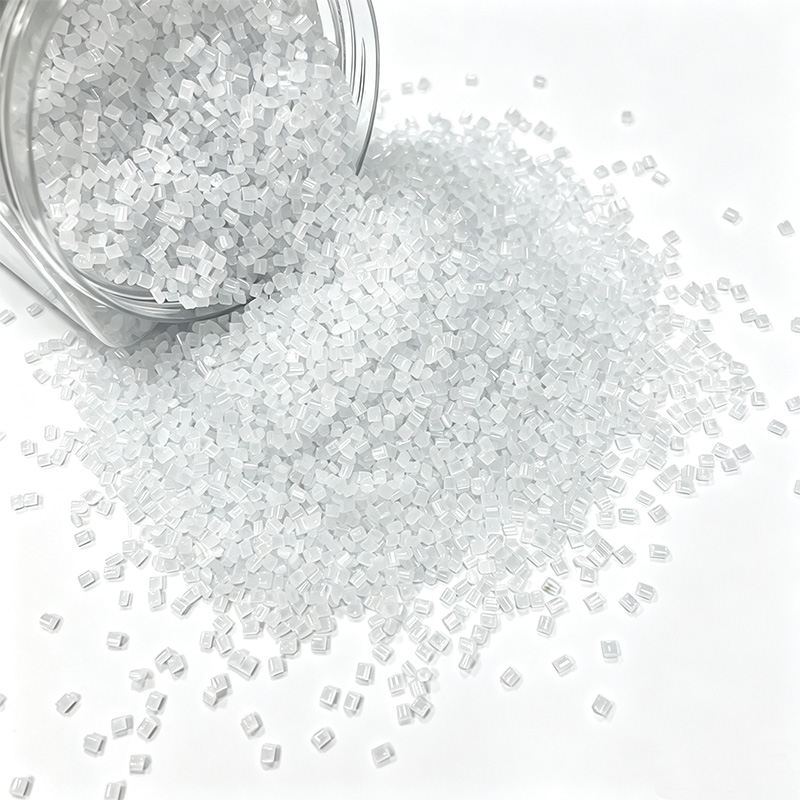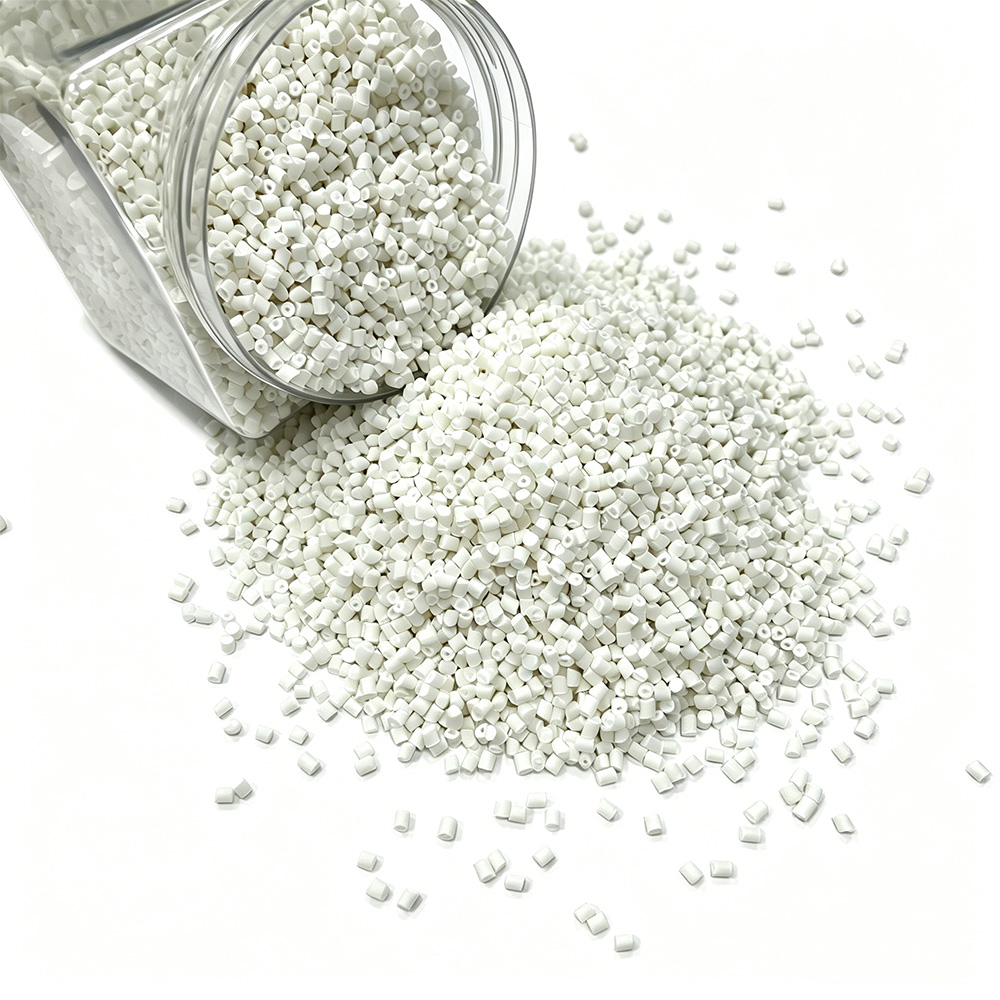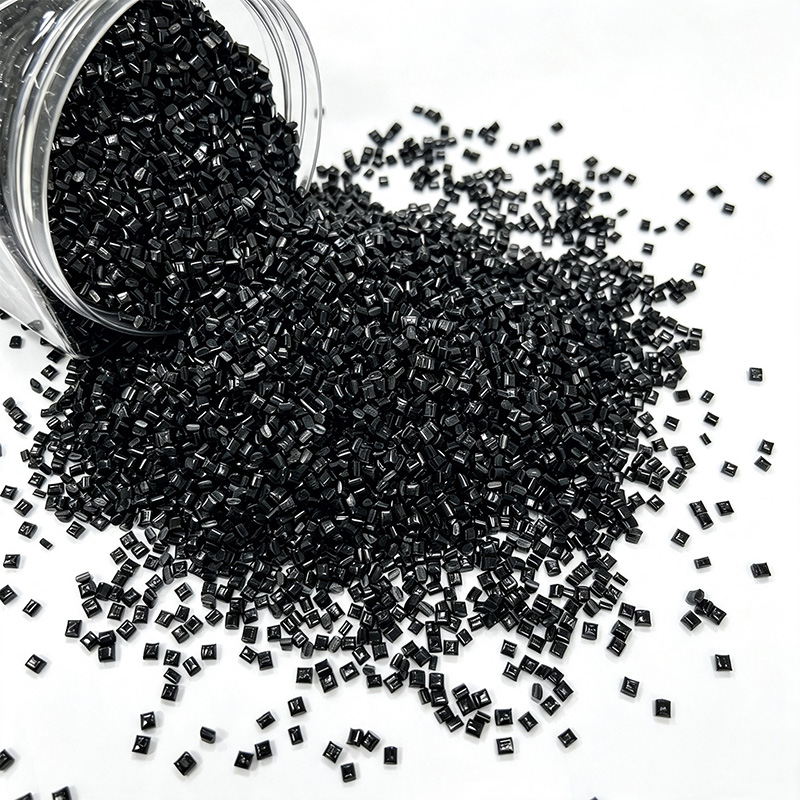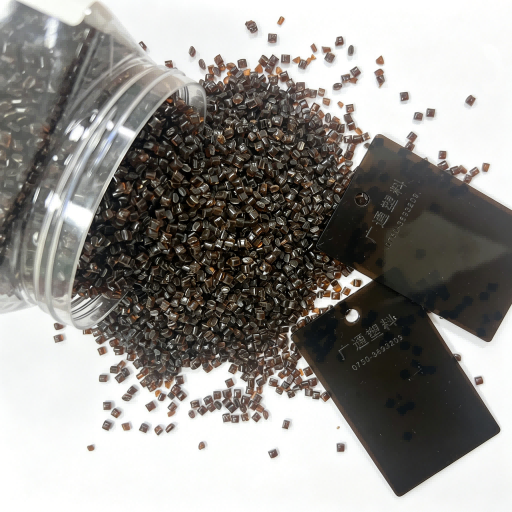
I. Cost Challenges: High mass-production costs and difficulties in cost reduction
1) Reliance on imported high-end raw materials; high prices and limited supply.
2) Traditional manufacturing processes are capital-intensive and costly, unsuitable for large-scale production.
3) Fragmented supply chain markups; lack of efficient centralized procurement models to drive down costs.
II. Airworthiness and Safety Challenges: Long certification cycles and uncontrollable risks in manned applications
1) Lack of standards for composite materials in low-altitude aviation; certification cycles take 3–5 years.
2) Materials are prone to hidden, visually undetectable damage and fracture under vibration.
3) Difficulty in simultaneously achieving high strength, flame retardancy, thermal insulation, and explosion resistance.
III. Environmental Durability Challenges: Insufficient service life under complex low-altitude operating conditions
1) Rapid performance degradation of conventional composites in extreme low-altitude corrosive environments; failure to meet civil aviation service standards.
2) Crop-protection equipment is susceptible to pesticide corrosion, leading to high failure rates.
IV. Manufacturing and Mass Production Challenges: Low automation and poor consistency
1) Reliance on manual layup results in weak batch-to-batch consistency and high defect rates.
2) Flaws in novel molding processes prevent them from replacing mainstream manufacturing methods.
3) Immature assembly and repair processes for thermoplastic composites drive up after-sales costs.
V. Recycling and Environmental Challenges: Difficult solid waste disposal and extremely low recycling rates
1) Traditional carbon fiber materials cannot be effectively separated; recycling rates are extremely low.
2) Lack of standardized processes for recyclable thermoplastic materials prevents large-scale circular use, creating significant pressure regarding solid waste and environmental protection.
VI. Supply-Demand Mismatches in Specific Application Scenarios
Manned eVTOLs lack integrated material solutions, resulting in complex supplier coordination.
1) Lack of integrated material solutions for manned aircraft.
2) Insufficient structural deformation resistance in heavy-payload drones.
3) Lack of cost-effective material options for small and medium-sized drones.
4) Fragmented protection for aircraft "three-electric" systems (battery, motor, and electronic control); lack of integrated capabilities for lightweighting, thermal insulation, and explosion protection.
Solution
I. Cost and Mass Production Dimensions
1. Develop tiered thermoplastic grades for diverse low-altitude scenarios.
2. Standardize formulas and processes to stabilize batch performance and improve yields.
3. Replace high-cost specialty plastics with optimized modified materials for scalable civilian applications.
II. Mechanical Structure Dimensions
1. Adopt long-fiber modification to enhance low-temperature toughness and impact resistance.
2. Optimize fiber structure to improve vibration fatigue resistance and prevent rotor cracking.
3. Apply creep-resistant formulations to reduce long-term deformation and balance strength and lightweight properties.
III. Safety, Flame Retardancy, and Electrical System Protection Dimensions
1. Adopt halogen-free high-efficiency flame retardants to meet manned flight safety standards.
2. Enhance instantaneous high-temperature resistance to withstand battery thermal runaway.
3. Optimize flame-retardant compatibility to avoid mechanical and weather performance loss.
4. Integrate electromagnetic shielding to improve flight anti-interference and navigation stability.
IV. Weather Resistance and Durability Dimensions
1. Add UV and anti-aging additives to suppress material degradation and embrittlement.
2. Optimize fiber interface to adapt to high humidity and salt spray environments.
3. Develop corrosion-resistant grades for agricultural plant protection scenarios.
4. Improve thermal cycling stability to prevent structural loosening and dimensional deviation.
V. Processing and Compatibility Aspects
1. Optimize material fluidity for thin-wall precision injection molding and higher yields.
2. Establish low-altitude-specific molding standards to reduce mold debugging costs.
3. Optimize bonding and repair processes to lower after-sales maintenance costs.
4. Adopt low-VOC formulations to meet civil aviation cabin environmental requirements.
VI. Green Recycling and Compliance Aspects
1. Develop recyclable thermoplastics and circular processes to reduce solid waste.
2. Accumulate full-scenario performance data to fill airworthiness gaps and shorten certification cycles.
3. Launch dedicated low-altitude material grades with controllable, traceable performance for flight safety.
Factory strength:
I. Customized Modification Capabilities
1. Flame Retardancy: Halogen-free UL94 V0/V1; compliant at 1.5mm wall thickness
2. Reinforcement: Glass fiber/carbon fiber/long fiber gradient modification; adjustable strength-to-toughness ratio
3. Weather Resistance: UV resistance, acid/alkali resistance, low-temperature toughening (-45°C), and low moisture absorption
4. Electrical Properties: Anti-static, conductive, high insulation, and low-dielectric wave transparency
II. Qualifications and Implementation Support Services
1. Provision of UL Yellow Card, RoHS, REACH, ISO9001, and IATF16949 test reports to facilitate project bidding and market access audits;
2. Ability to generate reports based on complete machine BOMs, specifying material grades, consumption quantities, and cost-reduction solutions involving metal-to-plastic replacement;
3. Services ranging from sample prototyping and small-batch trial production to stable mass supply; formulation optimization to address injection molding defects such as warpage, shrinkage, cracking, and fiber exposure;
Related products
I. Precision Material Selection by Component (Ready for Direct Granulation and Production)
1. Primary Load-Bearing Structures (Arms, Fuselage, Landing Gear, Main Beams)
Key Requirements: High rigidity, fatigue resistance, low density, metal replacement with plastics.
PA6-GF30: Creep and impact resistance; optional V0 flame retardancy; suitable for structural brackets.
Long Glass Fiber (LCFT-PA66): 3x improvement in fatigue life; performance comparable to 6061 aluminum; 25% weight reduction.
2.Propulsion and Rotor Systems (Blades, Motors, Gearboxes)
Key Requirements: Low warpage, high wear resistance, high-speed stability, low wind noise.
Standard Blades: Carbon fiber-reinforced PA66; low deformation; drop and crack resistance.
High-Voltage Platforms: PA4T; withstands 260°C soldering temperatures; high pressure resistance; suitable for 800V electric drive systems.
3.Battery Pack and Thermal Protection Systems
Key Requirements: V0 halogen-free flame retardancy; thermal and explosion isolation; thermal runaway resistance.
Battery Housing/Brackets: Flame-retardant PC/ABS; low-temperature impact resistance; leak prevention; glass fiber reinforcement to prevent swelling/bulging.
High-Voltage Connectors: Flame-retardant PA4T/PPA; high insulation and arc resistance.
4.Fuselage Shell, Skin, and Cabin Interior
Key Requirements: Weather and UV resistance, lightweight, low VOC, high light transmission.
Exterior Shell: Weather-resistant, non-yellowing modified ABS; lightweight modified PP (18% lighter than ABS).
Portholes/Radomes: Optically modified PC; 60% lighter than glass; impact resistant.
Interior Components: Bio-based PA11; low odor and low VOC; environmentally compliant; high injection molding yield.
5.Flight Control and Sensor Accessories
Flight Control/GPS Covers: Anti-static PA/PC; eliminates static interference; ensures navigation stability.